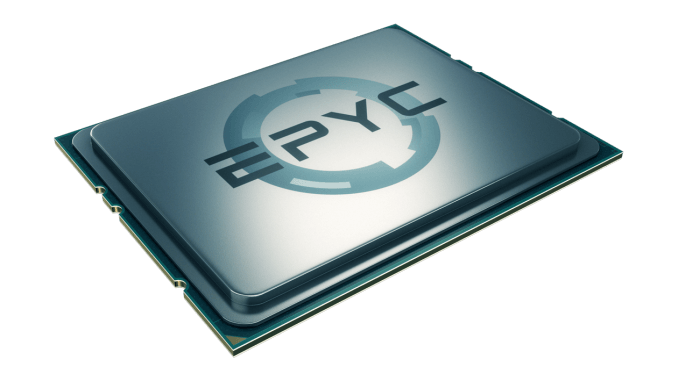
881170-B21 HP AMD EPYC 7301 16-Core 2.20GHz 64MB L3 Cache 170W Processor. New Retail Factory Sealed With Full Manufacturer Warranty.
$58.49
$94.76
Description Overview of the HP AMD EPYC 7301 Processor The HP AMD EPYC 7301 is a 16-core processor with a base clock speed of 2.20GHz. It has a 64MB L3 cache, which is a type of memory that is used to store frequently accessed data for faster access. This processor also has a thermal design power (TDP) of 170 watts, which is the amount of power that the processor can dissipate before it overheats. Architecture and Features The AMD EPYC 7301 is based on the Zen architecture, which is a microarchitecture designed by AMD. This architecture uses a modular design, allowing for multiple cores to be grouped together in what is called a “CCX” or “core complex”. In the case of the EPYC 7301, there are two CCXs, each containing eight cores. These CCXs are then connected via AMD’s Infinity Fabric, which allows for high-speed communication between the cores. One of the key features of the AMD EPYC 7301 is its support for PCIe 3.0, which is a high-speed serial computer expansion bus standard. This allows for fast communication between the processor and other components in the computer system, such as graphics cards and storage devices. The EPYC 7301 also supports up to 2TB of DDR4 memory, which is a type of volatile memory commonly used in computer systems. Performance The performance of the HP AMD EPYC 7301 is impressive, especially when it comes to multi-threaded applications. This is due to the high number of cores and threads, which allows for efficient parallel processing. In addition, the EPYC 7301 has a feature called “Simultaneous Multithreading” (SMT), which allows each core to execute two threads simultaneously. This further improves the processor’s multi-tasking capabilities. When it comes to single-threaded performance, the EPYC 7301 is still a solid performer, but it may not be as fast as some of the higher-end processors on the market. This is due to the lower base clock speed of 2.20GHz, which may limit the processor’s ability to execute single-threaded tasks quickly. Use Cases The HP AMD EPYC 7301 is a versatile processor that can be used in a variety of applications. Its high core count and multi-threading capabilities make it well-suited for tasks that require efficient parallel processing, such as rendering, video encoding, and scientific simulations. It is also a good choice for virtualization, as it can handle multiple virtual machines running simultaneously. Overall, the HP AMD EPYC 7301 is a powerful processor that offers impressive multi-threaded performance and a high core count. It is well-suited for tasks that require efficient parallel processing, making it a good choice for professionals who work with large datasets or require fast rendering times. While its single-threaded performance may not be as strong as some of the higher-end processors on the market, it still offers solid performance across a wide range of applications. General Information Manufacturer Hewlett Packard Enterprise(HP) Product Line EPYC Product Series 7000 Product Model 7301 Product Name EPYC Hexadeca-core 7301 2.7GHz Server Processor Upgrade Product Type Processor Upgrade Technical Information Processor Manufacturer AMD Processor Core 16 Core Clock Speed 2.20 GHz Overclocking Speed 2.70 GHz L3 Cache 64 MB 64-bit Processing Yes Processor Socket Socket SP3 Display & Graphics Graphics Controller Manufacturer No Thermal Design Power 170 W.